
How Can I Tell What Breed My Cat Is?
Introduction: Cat Breed
Ever wondered what breed your cat is? You’re not alone! Determining your cat’s breed can feel like a daunting task with so many possibilities. Knowing your cat’s breed is more than just satisfying curiosity; it can provide valuable insights into their behavior, health needs, and overall care. The International Cat Association (TICA) recognizes 73 breeds, while the Cat Fanciers’ Association (CFA) acknowledges 45. That’s a lot of breeds to consider!
Understanding your cat’s breed can make a significant difference in how you care for them. Dr. Mikel Maria Delgado, a Certified Cat Behavior Consultant, highlights the importance of breed knowledge, stating, “Identifying your cat’s breed can help you understand their specific needs and behaviors better.” In this guide, we’ll dive into the fascinating world of cat breeds, exploring their history, unique traits, and practical tools to help you identify your feline friend’s breed. Let’s embark on this journey together to uncover the mysteries of your cat’s heritage!
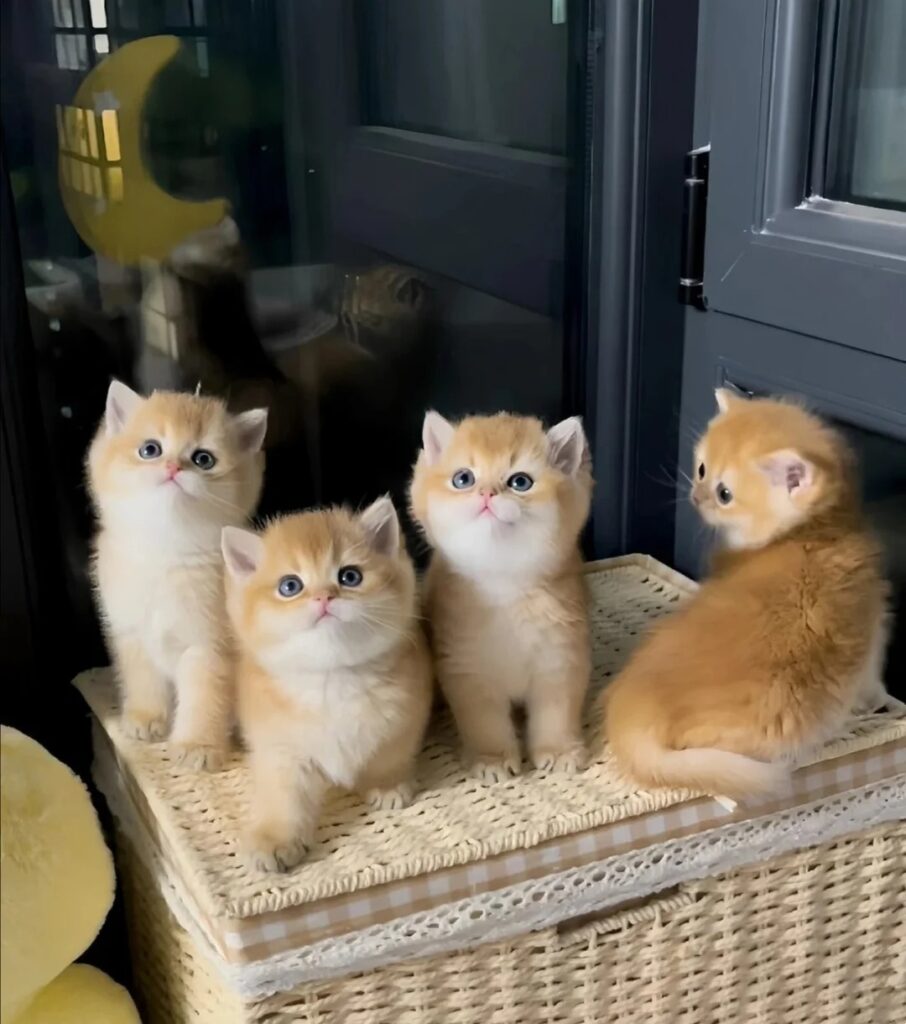
Historical Context of Cat Breeds
Domestication of Cats
Have you ever wondered how our feline friends became domesticated? The story of cat breeds begins thousands of years ago when wild cats started hanging around human settlements. People were transitioning to agricultural lifestyles and needed a way to control rodent populations. Enter the cats—natural hunters who thrived on the abundance of prey around these early farms.
- Agriculture and Cats: As humans settled and started farming, the presence of rodents around grain stores became a problem. Cats, with their excellent hunting skills, became invaluable allies.
- Mutual Benefits: This mutually beneficial relationship helped cement cats as companions. They kept the rodent population in check, and in return, they got a steady supply of food and shelter.
Development of Mutual Relationships Between Cats and Humans
Cats didn’t just keep the pests away; they started to play a bigger role in human lives. Over time, people began to appreciate cats for their company and unique personalities. This marked the beginning of a deeper bond between cats and humans.
- Cultural Significance: Cats started appearing in art, literature, and even mythology. They were revered in ancient Egypt and were considered symbols of good fortune in various cultures.
- Selective Breeding: As people moved and civilizations evolved, they took their cats with them. This movement, combined with selective breeding, began to shape the distinct cat breeds we recognize today.
Influence of Regional Origins on Cat Breeds
The various cat breeds we see today can be traced back to their regional origins. These origins played a crucial role in developing the unique traits of each breed.
- Regional Traits: Cats from colder regions, like the Siberian, developed thicker fur to survive harsh climates. In contrast, cats from warmer areas, like the Siamese, have sleeker, shorter coats.
- Natural Selection: Cats adapted to their environments over time. Their physical traits, such as fur length, ear shape, and body size, evolved to suit their surroundings.
Understanding the historical context of cat breeds helps us appreciate the diverse and fascinating world of our feline companions. From their early days as rodent hunters to their current status as beloved pets, cats have come a long way, and their breeds tell a rich story of adaptation and mutual benefit.
Understanding Cat Breeds: A General Overview
Difference Between Purebred and Mixed Breed Cats
When it comes to cat breeds, it’s crucial to understand the distinction between purebred and mixed breed cats. Purebred cats are those that have been selectively bred over generations to maintain specific physical traits and characteristics. Mixed breed cats, on the other hand, result from the natural mating of cats without human intervention.
- Purebred Cats: These cats have pedigrees and are often registered with organizations like The International Cat Association (TICA) or the Cat Fanciers’ Association (CFA). Breeds like the Persian, Siamese, and Maine Coon fall into this category.
- Mixed Breed Cats: Also known as domestic cats, mixed breed cats make up the vast majority of the cat population. They don’t have a specific lineage and can exhibit a wide range of physical traits and personalities.
Notable Cat Breeds
To give you a better understanding of the diversity among cat breeds, here are some well-known examples:
- Persian: Known for their long, luxurious fur and flat faces.
- Siamese: Recognizable by their sleek bodies and striking blue eyes.
- Maine Coon: One of the largest domesticated cat breeds, known for their friendly and social nature.
- Bengal: Noted for their wild appearance, with a coat that resembles that of a leopard.
- Sphynx: Famous for their hairless bodies and affectionate personalities.
- Ragdoll: Known for their docile and placid temperament, often going limp when picked up.
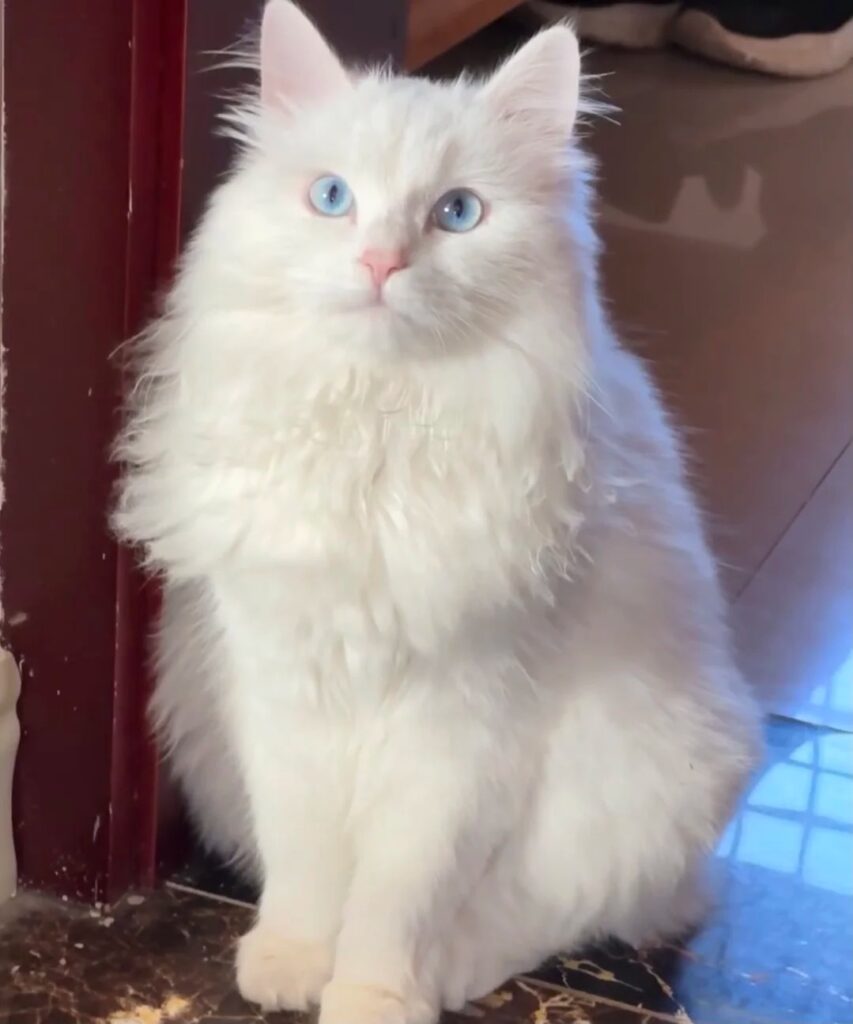
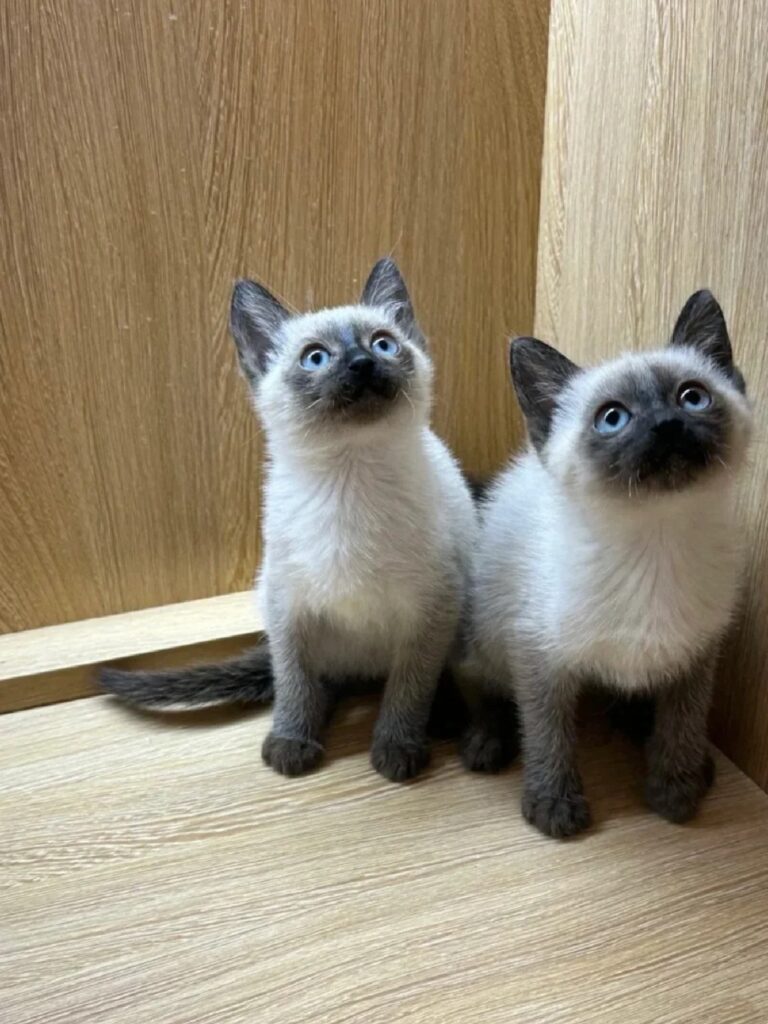
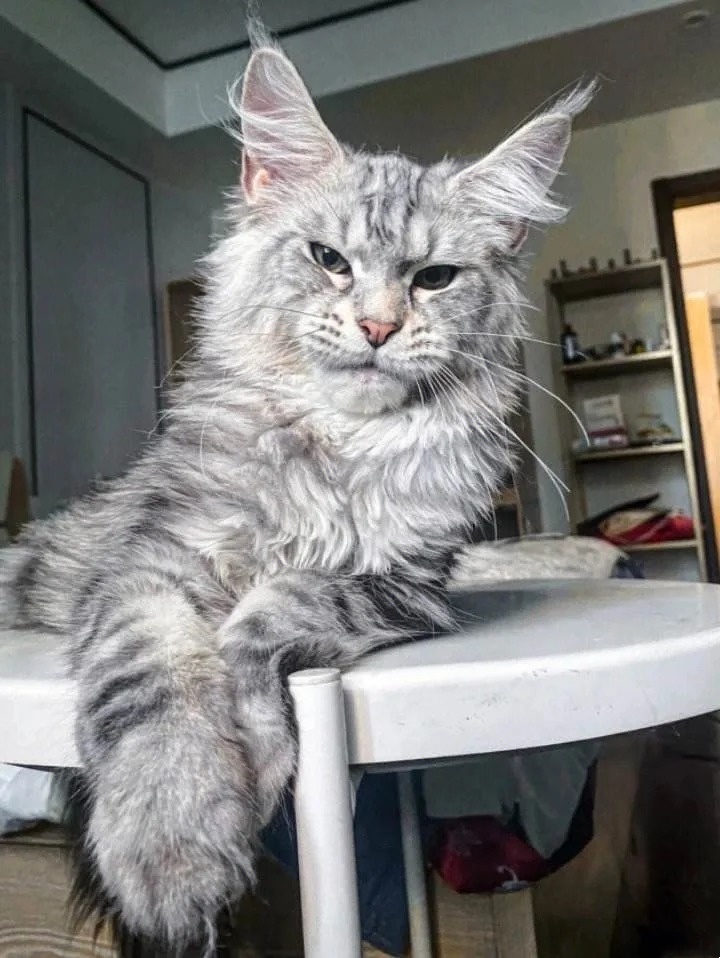
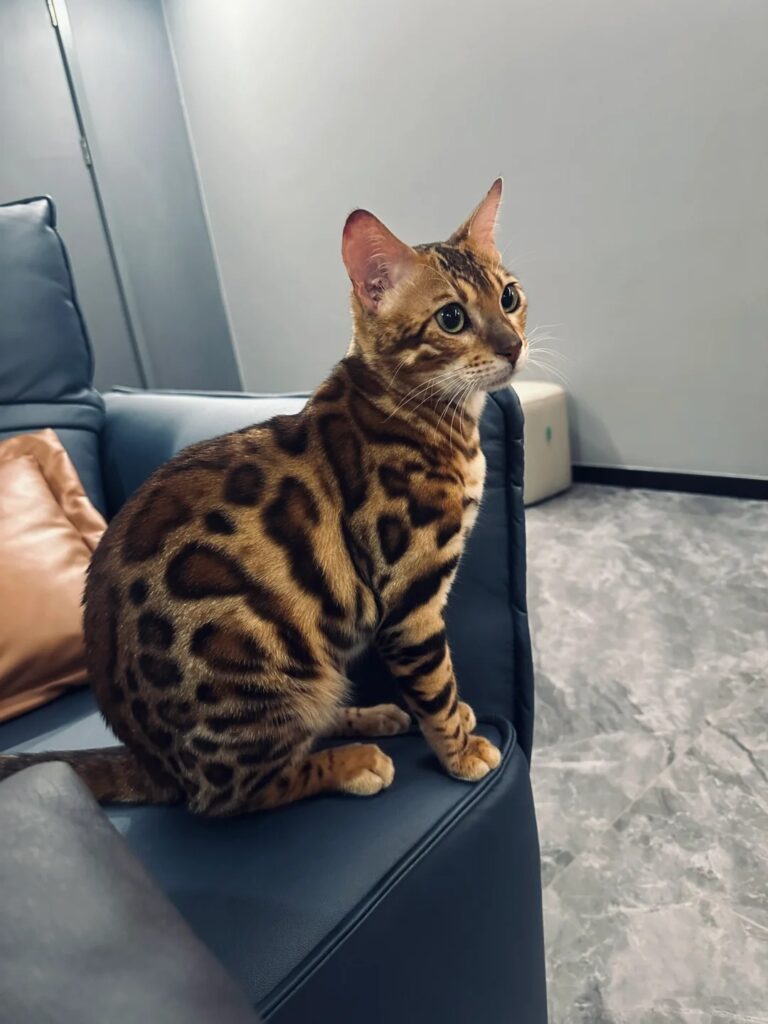
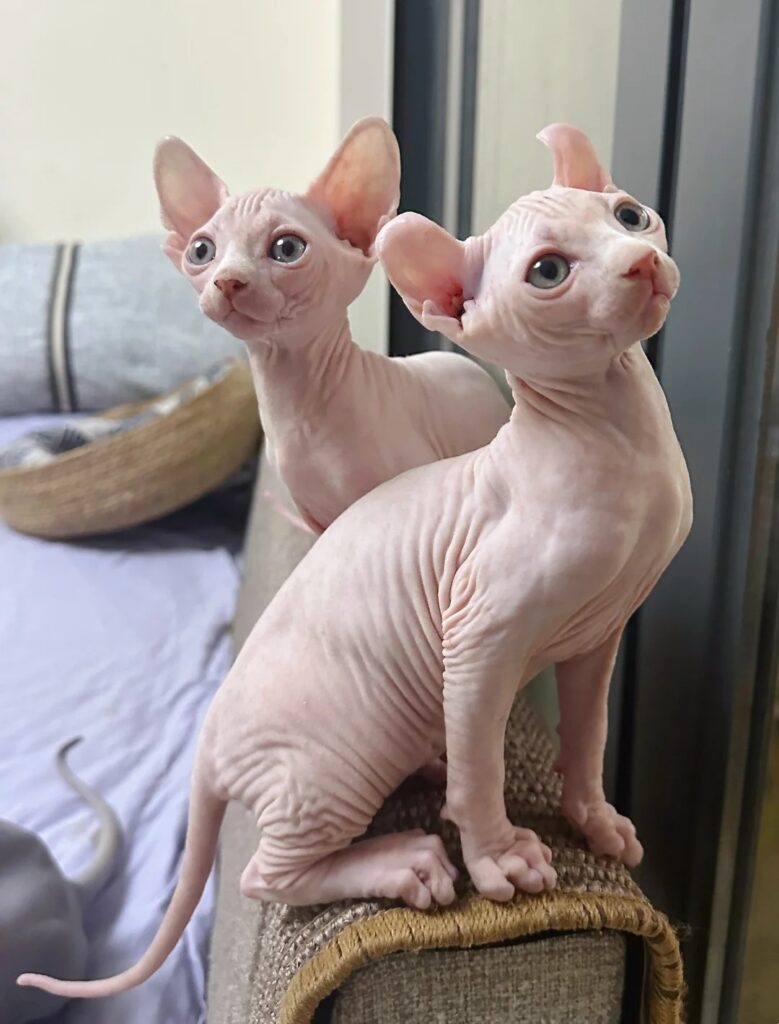
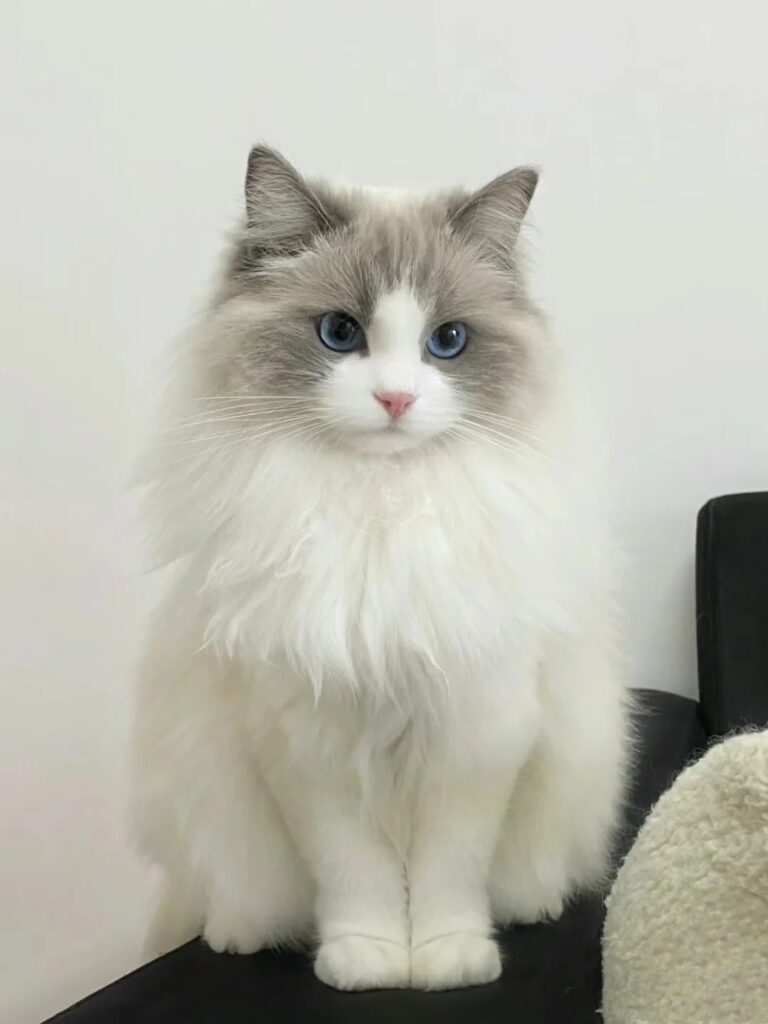
Understanding these differences and the impact of selective breeding helps cat owners make informed decisions about their pets’ care and well-being. Whether you have a purebred or a mixed breed cat, each has unique traits that make them special and loved members of the family.
Identifying Your Cat’s Breed: 8 Key Physical Traits
Size of Your Cat
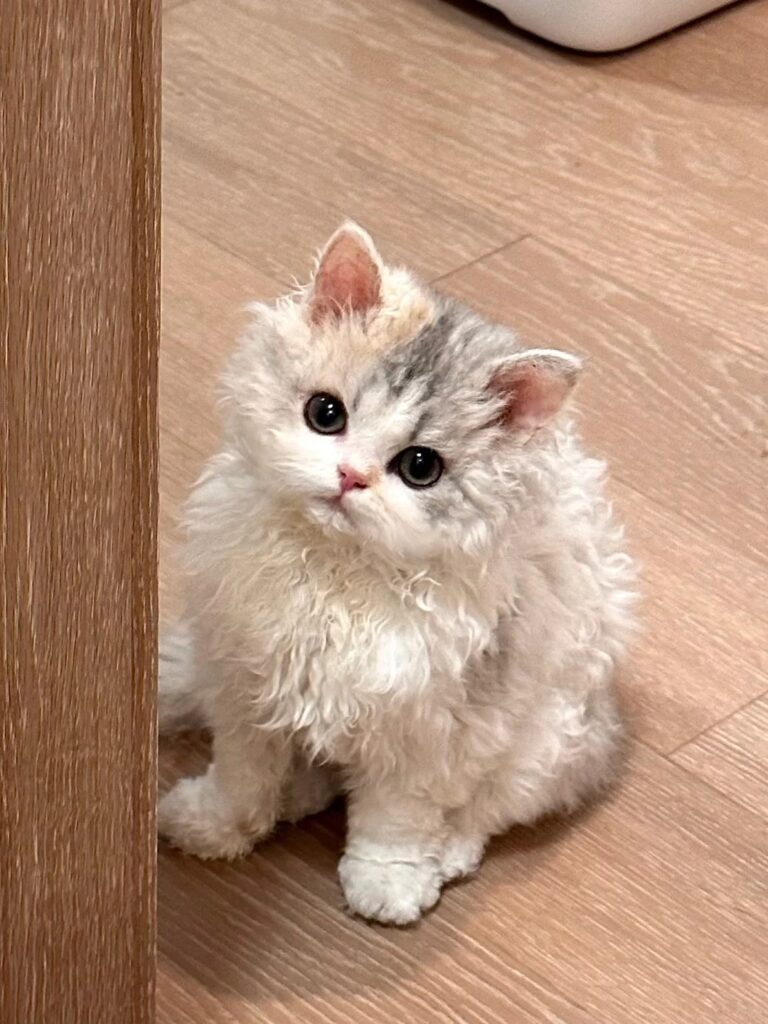
One of the first steps in identifying your cat’s breed is to look at its size. Cats can generally be classified into three size categories: small, medium, and large. Understanding the typical size of different breeds can help you narrow down the possibilities.
Classification: Small, Medium, Large
- Small: These cats typically weigh between 5 to 10 pounds. They are often delicate and lightweight.
- Medium: Medium-sized cats usually weigh between 10 to 15 pounds. They are average in size and quite common.
- Large: Large cats can weigh over 15 pounds. They are robust and have a substantial build.
| Size Category | Weight Range | Examples of Breeds |
|---|---|---|
| Small | 5-10 pounds | Singapura, Cornish Rex, Devon Rex, Munchkin, Siamese |
| Medium | 10-15 pounds | American Shorthair, Burmese, Abyssinian, Russian Blue, Scottish Fold |
| Large | Over 15 pounds | Maine Coon, Norwegian Forest, Ragdoll, Savannah, British Shorthair |
Fur Colors and Patterns
Another crucial aspect of identifying your cat’s breed is examining its fur color and pattern. Cats come in a wide variety of colors and patterns, each often associated with specific breeds.
Common Colors and Patterns
- Solid Colors: Cats with a single, uniform color.
- Tabby Patterns: Striped, spotted, or marbled patterns.
- Tortoiseshell and Calico: A mix of orange and black, with white added for calicos.
- Pointed Patterns: Lighter body with darker extremities (ears, face, paws, tail).
Examples of Breeds with Specific Colors and Patterns
| Color/Pattern | Description | Examples of Breeds |
|---|---|---|
| Solid | Single, uniform color | British Shorthair (Blue), Bombay (Black), Russian Blue, Havana Brown, Korat |
| Tabby | Striped, spotted, or marbled patterns | Bengal, American Shorthair, Maine Coon, Ocicat, Egyptian Mau |
| Tortoiseshell/Calico | Mix of orange and black, white for calicos | Japanese Bobtail, American Shorthair, Persian, Cornish Rex |
| Pointed | Lighter body, darker extremities | Siamese, Himalayan, Balinese, Ragdoll, Birman |
Identifying these physical traits in your cat can give you a good idea of its breed or at least narrow down the possibilities. Each breed has its unique characteristics, and by paying close attention to your cat’s size and fur patterns, you can make an educated guess about its lineage.
Hair Length and Patterns
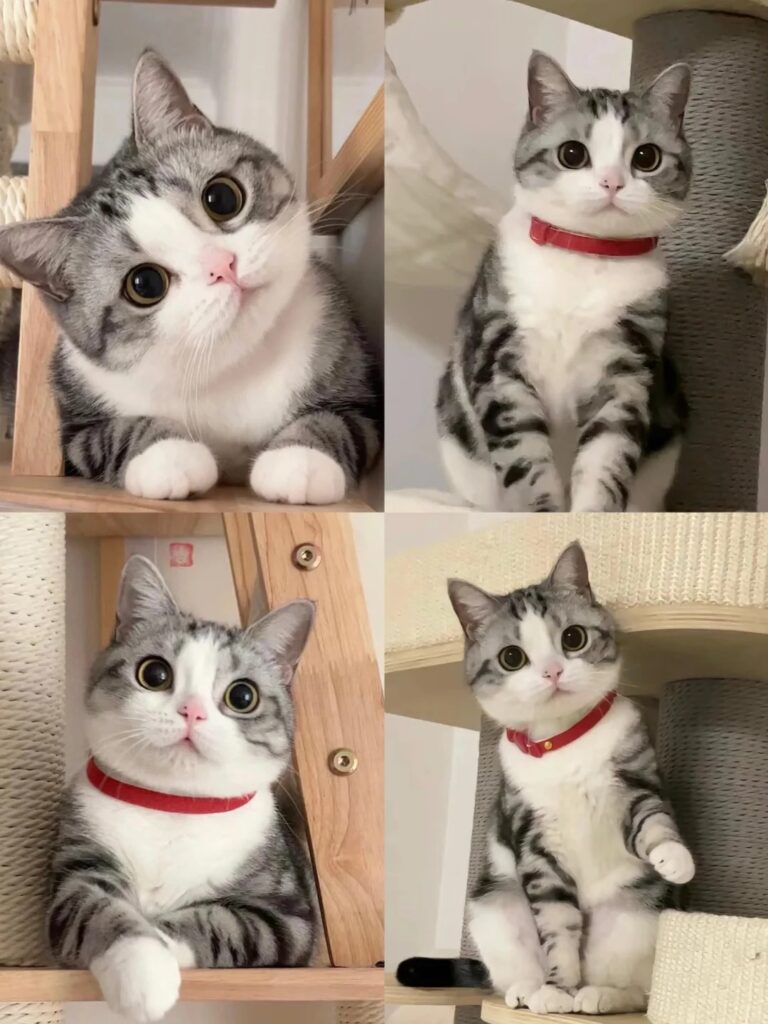
One of the most noticeable features of your cat is its coat. The length and type of fur can provide significant clues about its breed. There are four basic types of coats in cats: long, short, curly, and no hair.
Types of Coats
- Long Hair: Cats with long hair have a luxurious, flowing coat that requires regular grooming.
- Short Hair: Short-haired cats have a sleek, low-maintenance coat.
- Curly Hair: Curly coats are less common and result from specific genetic mutations.
- No Hair: Some breeds are hairless due to genetic mutations, giving them a unique appearance.
Breeds Associated with Each Coat Type
| Coat Type | Description | Examples of Breeds |
|---|---|---|
| Long Hair | Fluffy and requires regular grooming | Persian, Maine Coon, Ragdoll, Siberian, Turkish Angora |
| Short Hair | Sleek and easy to manage | American Shorthair, Siamese, Bengal, Russian Blue, Abyssinian |
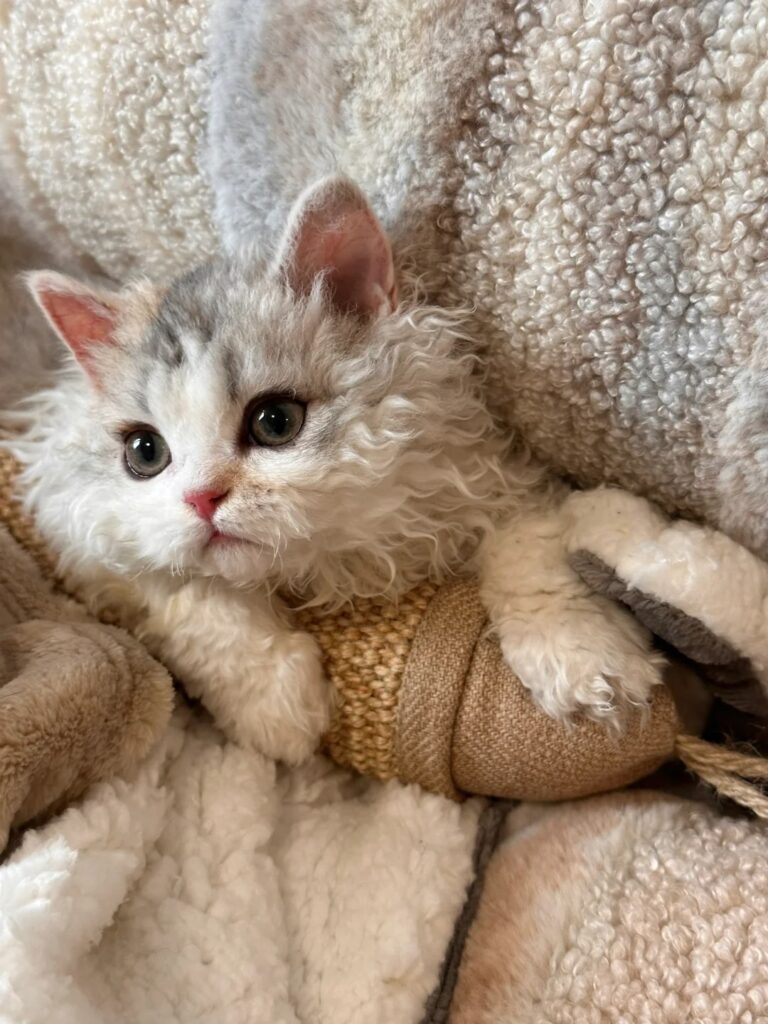
| Curly Hair | Distinctive curly or wavy fur | Cornish Rex, Devon Rex, LaPerm, Selkirk Rex |
| No Hair | Lacks a traditional coat | Sphynx, Peterbald, Donskoy, Bambino, Elf |
Face Shape
Your cat’s face shape can also be a clue to its breed. While it’s not the most common trait for identification, it can still provide useful information.
Flat-Faced vs. Narrow-Faced Cats
- Flat-Faced Cats: These cats have a distinctive, pushed-in face, which can be a characteristic of certain breeds.
- Narrow-Faced Cats: Cats with a more elongated face shape are another group with specific breed traits.
Examples and Associated Health Issues
| Face Shape | Description | Examples of Breeds | Associated Health Issues |
|---|---|---|---|
| Flat-Faced | Pushed-in appearance | Persian, Exotic Shorthair, Scottish Fold, Munchkin | Breathing problems, dental issues, polycystic kidney disease |
| Narrow-Faced | Elongated, narrow structure | Siamese, Abyssinian, Cornish Rex | Fewer health issues related to face shape |
Tail Length
Tail length can also help identify your cat’s breed. Some breeds are known for their distinctive tail characteristics.
Breeds with Distinctive Tail Lengths
| Tail Length | Description | Examples of Breeds |
|---|---|---|
| Short Tail | Naturally short or bobbed tails | Manx, American Bobtail, Japanese Bobtail, Cymric |
| Long Tail | Typical long and slender tails | Maine Coon, Norwegian Forest Cat, Ragdoll |
Ear Shape and Features
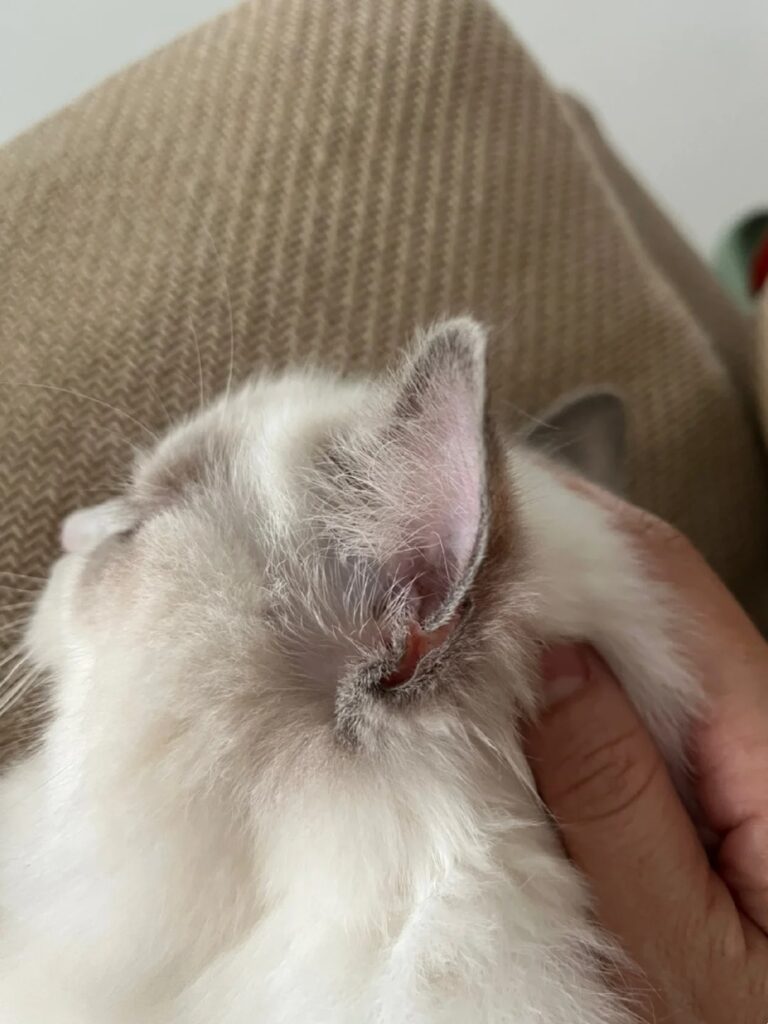
Cat ears come in various shapes and features, which can be a strong indicator of breed. Distinctive ear types include curled, folded, and tufted.
Curled, Folded, and Tufted Ears
- Curled Ears: These ears curl backward, creating a unique appearance.
- Folded Ears: These ears fold down, giving the cat a distinctive look.
- Tufted Ears: Ears with tufts or “lynx tips” are another notable feature.
Associated Breeds and Health Concerns
| Ear Shape | Description | Examples of Breeds | Associated Health Issues |
|---|---|---|---|
| Curled Ears | Ears curl backward | American Curl, Highlander, Elf | Potential ear health issues, difficulty cleaning ears |
| Folded Ears | Ears fold down | Scottish Fold, Ukrainian Levkoy, Foldex | Osteochondrodysplasia, arthritis |
| Tufted Ears | Ears with extra fur tufts | Maine Coon, Norwegian Forest Cat, Ragdoll | Generally healthy, but tufts may require grooming |
Eye Color
Eye color in cats can be quite diverse, although it’s less commonly used for breed identification. Still, it’s a fascinating aspect of feline appearance.
Common Eye Colors and Heterochromia
- Common Eye Colors: Blue, green, yellow, and hazel are typical eye colors for cats.
- Heterochromia: This condition involves two different colored eyes and is more common in some breeds.
| Eye Color | Description | Examples of Breeds |
|---|---|---|
| Blue | Bright, striking blue eyes | Siamese, Turkish Angora, Ragdoll, Birman |
| Green | Vivid green eyes | Russian Blue, American Shorthair, Abyssinian |
| Yellow | Golden or amber eyes | British Shorthair, Bengal, Cornish Rex |
| Heterochromia | Two different eye colors | Turkish Angora, Persian, Khao Manee, Sphynx |
Behavior and Personality
While physical traits are useful, behavior and personality can also provide clues to a cat’s breed. Research shows that different breeds can exhibit distinct behavioral patterns.
Influence of Breed on Personality Traits
- Social Behaviors: Some breeds are more sociable and affectionate.
- Activity Levels: Certain breeds are known for their high energy and playfulness.
Findings from Relevant Studies
A 2019 study in Scientific Reports highlighted differences in behavior among various cat breeds. For example:
- Korat and Devon Rex cats were found to be more likely to seek contact from people.
- British Shorthair, Ragdoll, Persian, Norwegian Forest Cat, and Saint Birman breeds exhibited less aggressive behavior.
These studies suggest that while personality can vary widely even within a breed, certain traits are more common among different breeds.
Understanding these physical and behavioral traits can help you get a clearer picture of your cat’s breed or at least its breed background. Combining multiple characteristics—like size, fur type, and face shape—will provide the most accurate identification.
Practical Tools for Identifying Cat Breeds
When it comes to figuring out your cat’s breed, there are several handy tools and methods you can use. Each approach has its benefits, whether you prefer a high-tech solution or a more traditional route. Here’s a breakdown of the most effective tools for identifying cat breeds:
Apps for Identifying Cat Breeds
In today’s digital age, there’s an app for almost everything, including identifying cat breeds. These apps are designed to help you quickly narrow down your cat’s breed based on its physical characteristics and sometimes even its behavior.
Overview of Popular Cat Breed Identification Apps
- Cat Scanner App: This app uses image recognition technology to analyze your cat’s photos and compare them to a database of cat breeds. It’s user-friendly and provides a detailed description of potential breeds.
- Cat Breeds Identifier: By answering a series of questions about your cat’s appearance, this app can suggest possible breeds. It’s a great tool for narrowing down options if you’re unsure of your cat’s exact breed.
- PetBreed Identifier: Similar to the others, this app uses both photos and questionnaire responses to identify your cat’s breed. It also provides information about breed-specific care and characteristics.
Online Quizzes
Another fun and interactive way to guess your cat’s breed is by taking online quizzes. These quizzes often ask about various physical traits and behavioral characteristics to help identify the most likely breed.
How Quizzes Can Help Narrow Down Breed Possibilities
- Trait Matching: Quizzes assess physical traits like fur length, color patterns, and body size, which helps match your cat to potential breeds.
- Behavioral Insights: Some quizzes include questions about your cat’s behavior, such as playfulness and sociability, which can further refine the breed possibilities.
- Breed Profiles: Many quizzes provide detailed profiles of the breeds they suggest, giving you a better understanding of each breed’s characteristics and needs.
DNA Testing
For the most accurate identification, DNA testing is a reliable option. This method analyzes your cat’s genetic material to determine its breed composition.
Benefits of DNA Testing for Cats
- Accuracy: DNA tests offer a high level of accuracy, providing a detailed breakdown of your cat’s breed ancestry.
- Health Insights: Some DNA tests also reveal information about genetic health risks, helping you understand potential health issues associated with your cat’s breed.
- Detailed Reports: You receive a comprehensive report that includes the percentage of each breed in your cat’s ancestry, offering a clearer picture of its breed background.
Consulting Your Veterinarian
When in doubt, consulting a veterinarian can be extremely helpful. Veterinarians have experience with a wide variety of breeds and can offer insights based on physical examination and health history.
Importance of Professional Advice in Breed Identification
- Expert Knowledge: Veterinarians can use their expertise to make educated guesses about your cat’s breed based on physical traits and behavior.
- Health Considerations: They can also advise you on any breed-specific health concerns and recommend appropriate care.
- Comprehensive Care: A vet can provide guidance on managing and understanding your cat’s needs, regardless of its breed.
By using these tools and consulting professionals, you can gain a clearer understanding of your cat’s breed, ensuring you provide the best care for your feline friend.
Health Considerations for Purebred Cats
Purebred cats are admired for their distinctive appearances and traits, but this selectivity in breeding can also come with a set of health challenges. Understanding these potential issues is crucial for anyone considering a purebred cat. Here’s what you need to know about the health considerations associated with purebred cats.
Potential Health Problems Associated with Selective Breeding
Selective breeding aims to enhance certain traits in cats, but it can also inadvertently lead to health problems. The focus on specific physical characteristics sometimes results in a narrow gene pool, which may contribute to inherited health conditions.
Common Health Issues in Purebred Cats
- Genetic Disorders: Many purebred cats are prone to genetic disorders due to limited genetic diversity. For instance, Persian cats are known for their brachycephalic airway syndrome, which affects their breathing.
- Structural Problems: Some breeds face structural issues. For example, the Maine Coon breed can suffer from hypertrophic cardiomyopathy (HCM), a heart condition that leads to heart enlargement.
- Eye and Ear Conditions: Breeds like the Scottish Fold can experience joint and cartilage issues, while Siamese cats are more susceptible to certain eye disorders.
Specific Conditions Linked to Certain Breeds
Each breed has its own set of health concerns that potential owners should be aware of. Here are some examples of breed-specific conditions:
- Sphynx Cats: Known for their lack of fur, Sphynx cats are prone to skin problems, such as fungal infections and excessive oil buildup. Regular skin care is essential for these cats.
- Bengal Cats: This breed is at risk for certain types of kidney disease. Regular vet check-ups can help monitor their kidney health and manage any issues early.
- British Shorthair Cats: While generally healthy, they can be prone to obesity, which can lead to additional health problems like diabetes. Proper diet and exercise are key to maintaining their health.
Importance of Awareness and Proactive Care
Understanding the health risks associated with your cat’s breed allows you to take proactive measures to ensure their well-being.
Steps for Maintaining a Purebred Cat’s Health
- Regular Vet Visits: Schedule regular check-ups with your veterinarian to monitor your cat’s health and address any issues promptly.
- Genetic Testing: Consider genetic testing to identify potential health risks early. This can be particularly useful for breeds known to have specific genetic conditions.
- Breed-Specific Care: Tailor your care routine to address the unique needs of your cat’s breed, including diet, grooming, and exercise.
By being aware of the health considerations related to your cat’s breed, you can provide the best possible care and enjoy a happy, healthy life with your feline companion.
Conclusion: Cat Breed
Identifying your cat’s breed involves understanding the key physical traits, using various tools, and recognizing potential health concerns. By considering factors like size, fur length, and unique features, you can get closer to pinpointing your cat’s breed. Utilizing apps, online quizzes, DNA testing, and consulting with your vet are effective ways to ensure accurate breed identification.
Embracing the joys of cat ownership also means taking on the responsibility of caring for your cat’s specific needs. With the right knowledge and proactive care, you can enjoy a fulfilling and happy life with your feline friend. So, dive into the adventure of discovering your cat’s breed and provide the best care possible—your furry companion deserves it!