
Why is My Cat Sleeping on My Bed and What Does a Cat’s Sleeping Position Mean?
Introduction: Cat Sleeping on Your Bed
Have you ever wondered why your cat insists on sharing your bed every night? If you’ve found yourself waking up to a furry friend nestled next to you, or even on your head, you’re not alone. It’s a common mystery among cat owners: why do cats choose to sleep at your feet, beside you, or even on your head? Understanding why your cat has such a strong preference for your bed can reveal a lot about their emotional state and behavior.
In this blog, we’ll dive into the reasons behind your cat’s love for bed-sharing and what their sleeping positions mean. Whether they’re curled up next to you or using your body as a pillow, each position tells a story about their comfort, security, and bond with you. Let’s uncover the secrets of your cat’s bedtime habits and how these cozy interactions strengthen your bond.
The Comfort and Security of Your Bed
Cats as Comfort Seekers
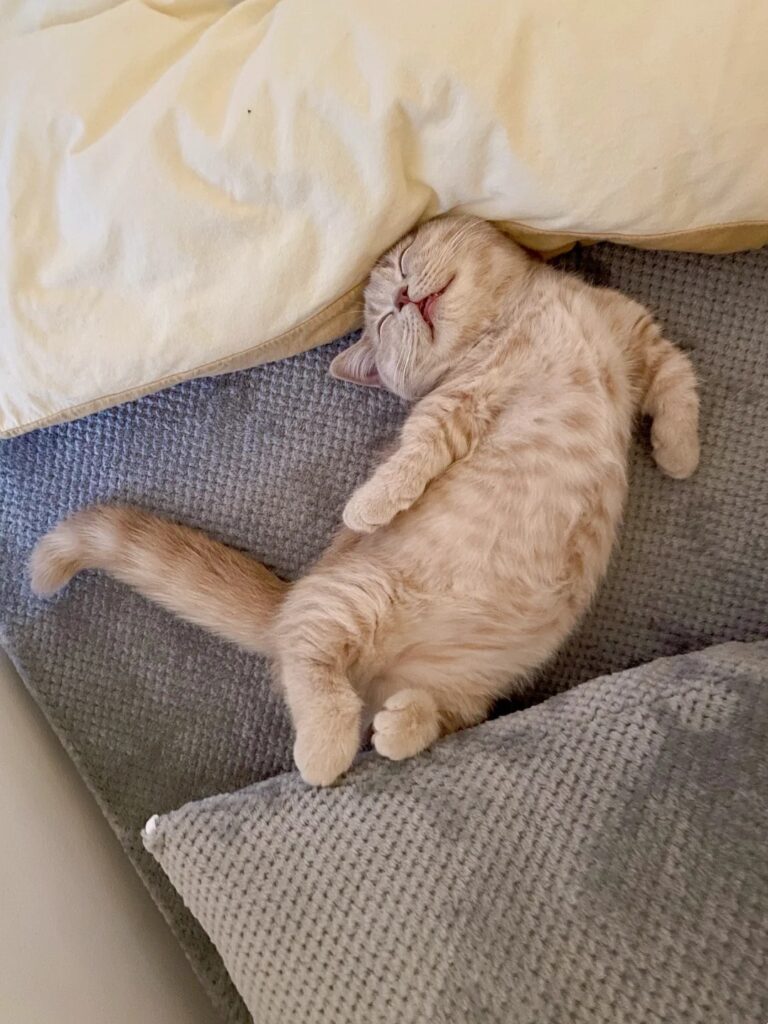
Cats are known for their love of cozy spots, and your bed is the ultimate haven for them. Let’s break down why your bed is such an appealing place for your feline friend:
- Softness and Warmth: Your bed is likely made up of plush blankets, soft pillows, and a warm mattress. This level of comfort is irresistible to cats who are naturally drawn to soft, warm surfaces. Imagine how appealing it must be for your cat to curl up on a surface that’s as comfy as your bed!
- Safe and Secure Environment: To a cat, your bed is not just a comfortable spot—it’s a fortress of security. Cats are instinctively drawn to places where they feel safe. Your bed, with its gentle, enveloping warmth and lack of sudden disturbances, provides the perfect refuge. It’s like having their own personal safe zone where they can fully relax and let their guard down.
The Role of Human Presence in Cat Sleeping
Your presence adds an extra layer of comfort and security to your cat’s sleeping environment. Here’s how:
- Instinctual Need for Security: In the wild, sleeping is a vulnerable time for cats. They need to be in a secure spot to avoid potential threats. When your cat chooses to sleep on your bed, they’re following an instinctual need for safety. They instinctively seek out places where they feel shielded from danger, and your bed, with you there, fits the bill perfectly.
By understanding these aspects, you can appreciate why your cat finds such comfort in sleeping on your bed. It’s not just about the physical softness but also the emotional security that comes with being close to you.
The Bonding Experience
Cats as Social Creatures
Cats might have a reputation for being aloof, but they are actually quite social and crave bonding. Here’s a closer look at their social nature:
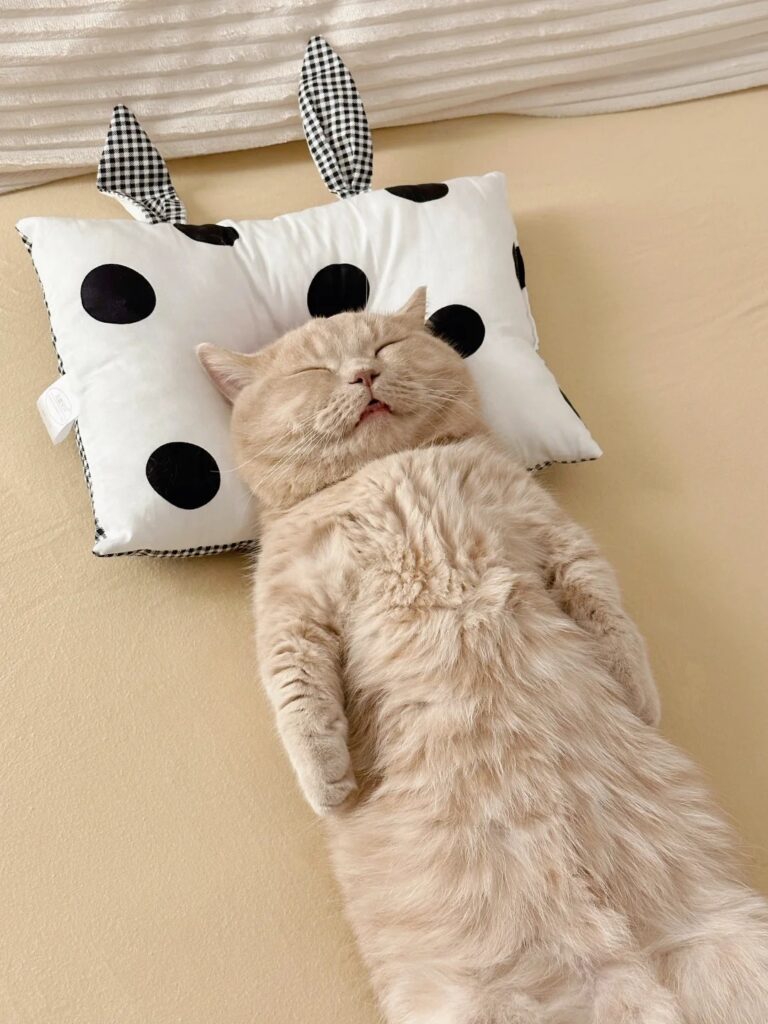
- Need for Bonding: Despite their independent streak, cats are social animals that form strong attachments. They enjoy interacting and forming bonds with their human companions. Sleeping with you is one of the ways they connect and express affection.
- Kittenhood Behavior: Think back to when they were kittens. In their early days, they would pile up with their siblings and mother for warmth and comfort. This behavior wasn’t just about staying warm; it was also about bonding. By snuggling close, they were building social connections and feeling secure. When your cat chooses to sleep with you, they’re essentially recreating this same comforting and bonding experience, but with you as their new “family.”
In essence, when your cat curls up next to you in bed, they’re not just seeking comfort—they’re reinforcing the bond you share. This behavior reflects their trust, affection, and desire for closeness, making your shared sleeping arrangement a meaningful part of your relationship.
Territorial Instincts
Marking Territory
Cats are naturally territorial animals, and your bed is no exception. Here’s how this instinct plays out when they choose to sleep with you:
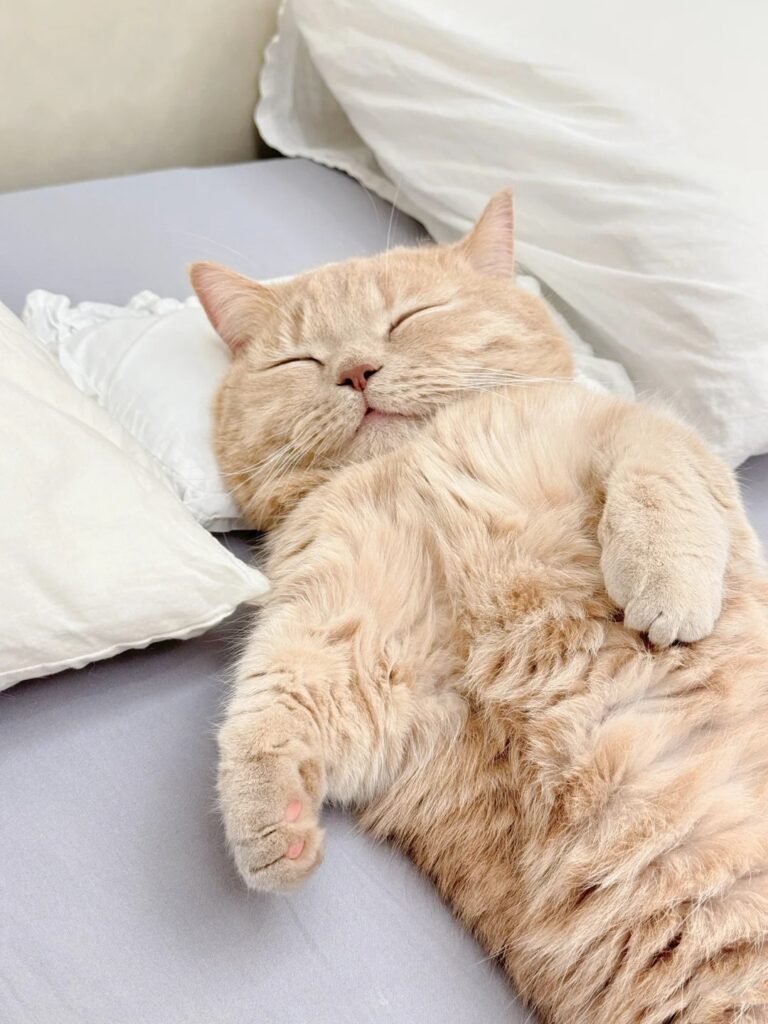
- Using Scent to Mark: Cats have scent glands in their cheeks, paws, and other parts of their body. When your cat rubs their face against your bed or kneads it with their paws, they leave their scent behind. This is a way for them to mark their territory, even if it’s shared with you. It’s their way of saying, “This space belongs to me.”
- Claiming Their Space: By sleeping on your bed, your cat is effectively claiming this area as their own. It’s not just about comfort or security; it’s also about asserting their presence. Your bed becomes a territory where they feel dominant and secure. This instinctual behavior is a way of establishing their place in their environment, even within the confines of your home.
The Scent of Ownership
Your scent on the bed plays a crucial role in this territorial behavior. Let’s dive into why this is significant:
- Significance of Your Scent: Your bed carries your scent, which is familiar and comforting to your cat. When the cat sleeps on your bed, they mix their own scent with yours. This creates a combined scent profile that reinforces their sense of ownership and belonging. It’s like adding their own signature to a shared space, making it feel more secure and personal.
Understanding these territorial instincts helps explain why your cat might be so eager to share your bed. It’s not just about physical comfort but also about claiming and personalizing their space in relation to you.
What does it mean when a cat sleeps on your bed?
When a cat chooses to sleep on your bed, it signifies a deep sense of trust and security. Cats seek comfort, and your bed offers a cozy, warm environment that feels safe. Sharing this space is a way for your cat to bond with you, reinforcing their connection and feeling protected by your presence. It also means your bed has become a part of their territory, where they can mark their scent and feel at ease.
Why do cats snuggle up to you in bed?
Cats snuggle up to you in bed because they are social creatures that crave close contact. By curling up next to you, they are seeking warmth and expressing their affection. This behavior is reminiscent of their kittenhood, when they would huddle with their siblings and mother for comfort. Snuggling also reinforces the bond between you and your cat, making them feel secure and loved.
Decoding Common Cat Sleeping Positions
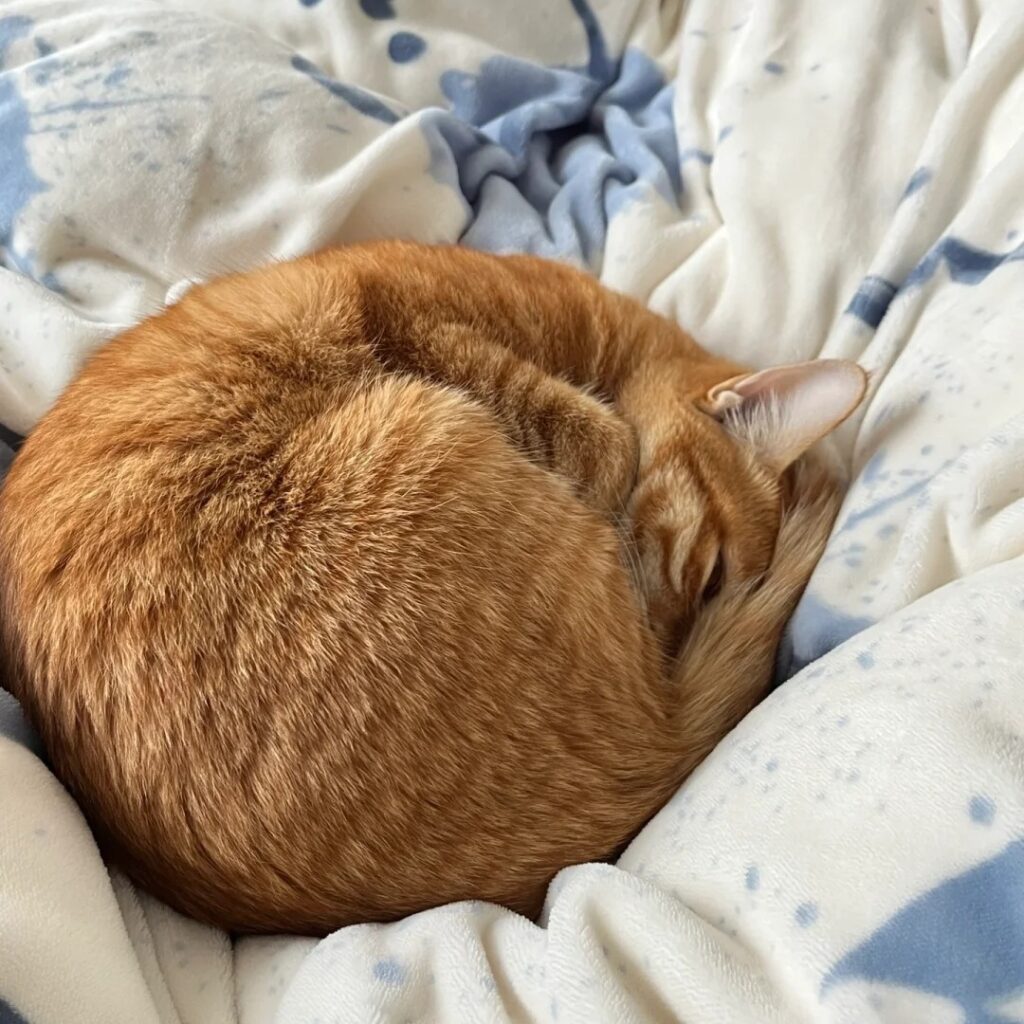
The Curled-Up Ball
- Description: One of the most common cat sleeping positions is curling up into a tight ball. Your cat will tuck their head under their tail and fold their paws close to their body.
- Meaning: This position is all about comfort and security. By curling up, your cat conserves body heat and protects their vital organs. It’s a natural instinct inherited from their wild ancestors, who used this position to stay warm and shield themselves from potential threats. If you see your cat sleeping like this, it means they’re feeling safe and snug.
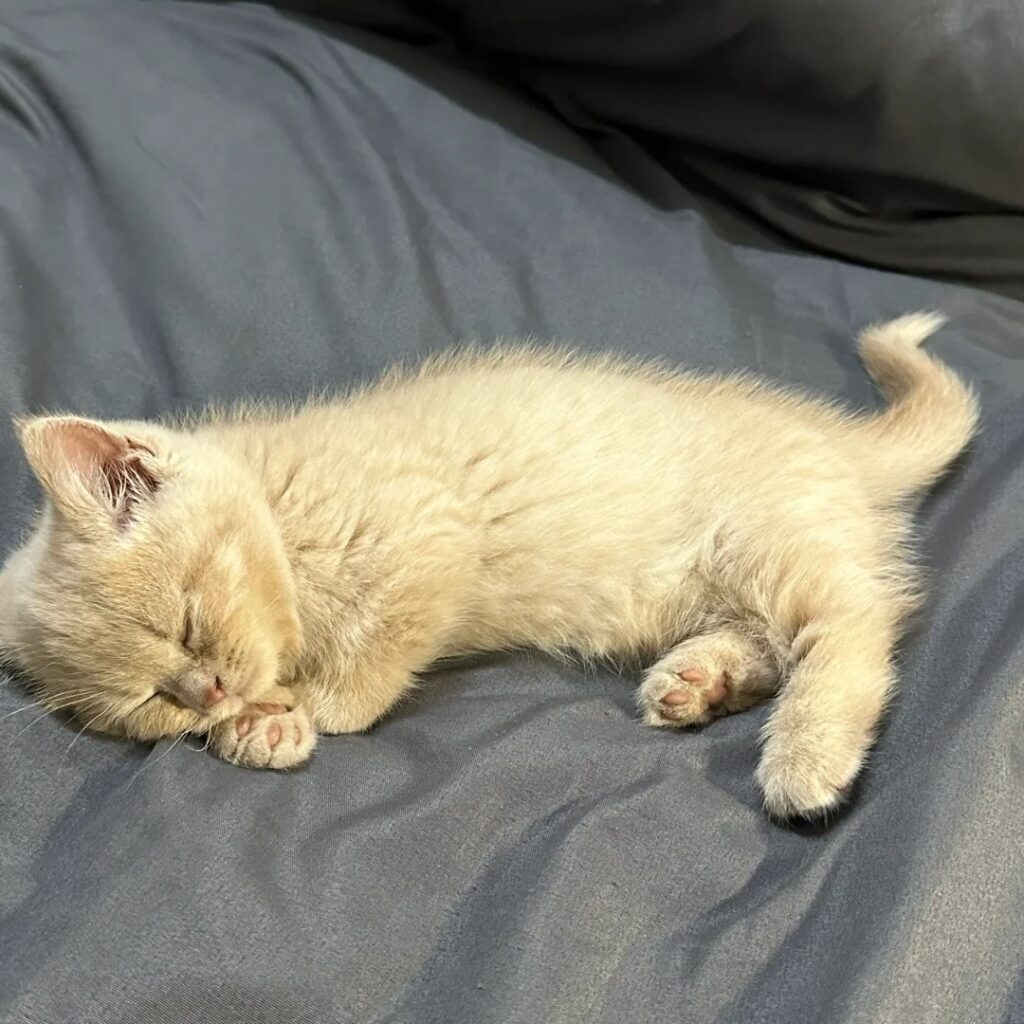
The Side Sleeper
- Description: When your cat sleeps on their side with their legs splayed out, they’re fully exposed.
- Meaning: This position signals that your cat is relaxed and trusts their environment. By exposing their belly, which is a vulnerable area, your cat is showing that they feel safe and secure in your presence. It’s a strong indicator that they trust you and feel at ease in their surroundings.
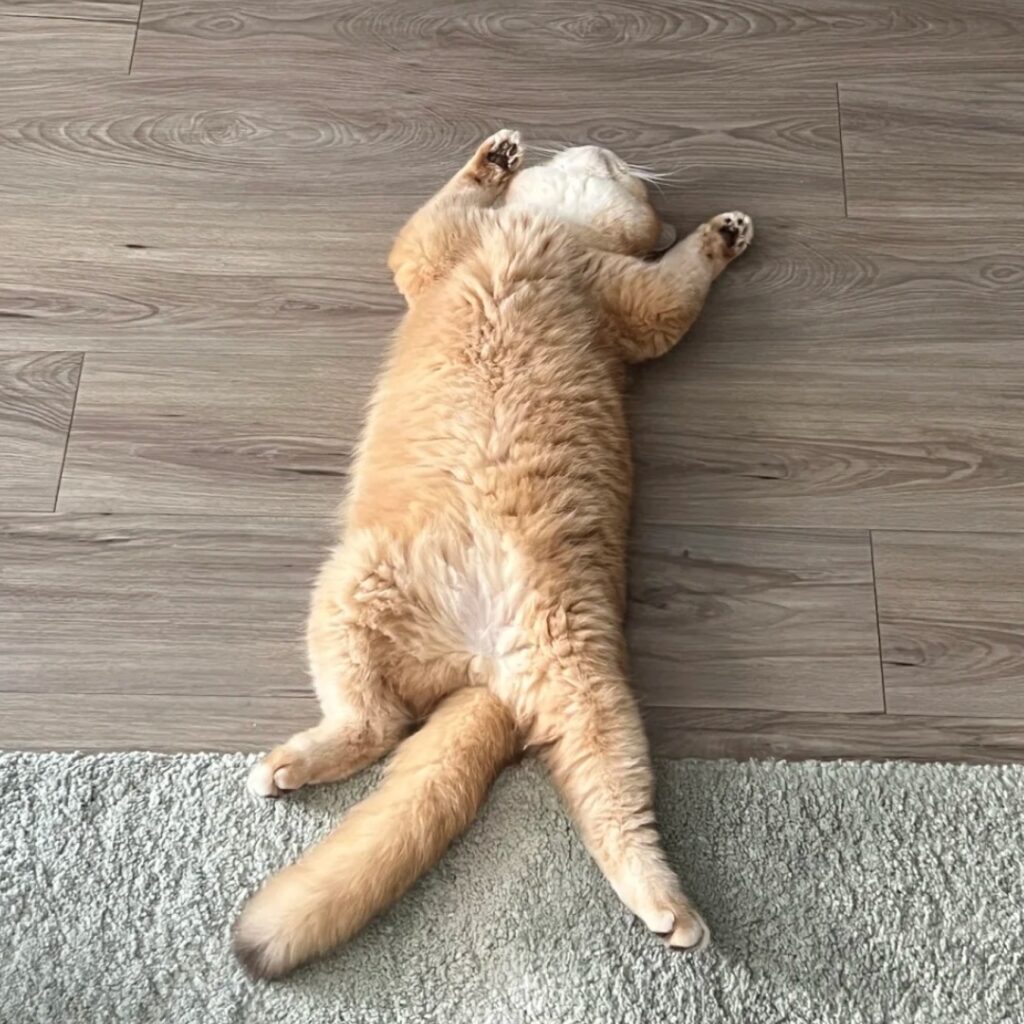
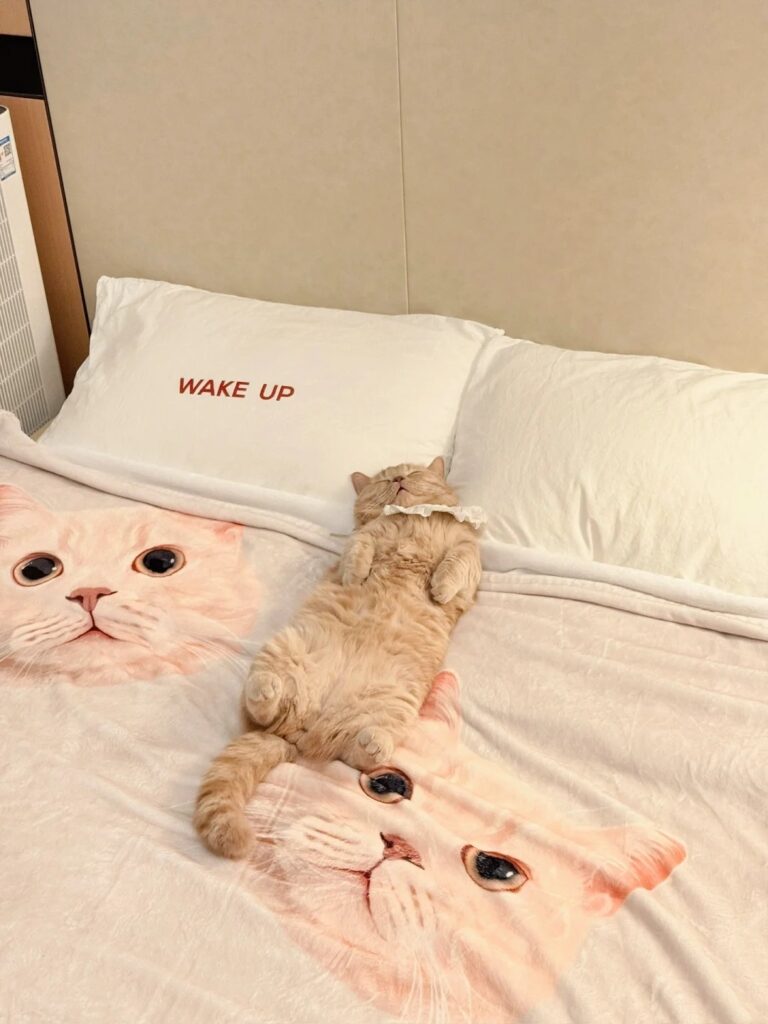
The Belly-Up
- Description: If your cat sleeps with their belly facing up and their paws in the air, they’re displaying a very open and vulnerable position.
- Meaning: This is the ultimate sign of trust and contentment. By exposing their stomach, your cat is showing that they feel completely safe with you. It’s one of the highest forms of feline trust, as the belly is one of the most sensitive and protected areas on a cat’s body.
The Loaf
- Description: In the loaf position, your cat sits with their paws tucked under their body and their legs neatly folded. Their body resembles a loaf of bread.
- Meaning: This position represents comfort while keeping a bit of alertness. Your cat feels safe enough to relax but is also prepared to spring into action if needed. It’s a balanced position that shows they’re both comfortable and slightly on guard.
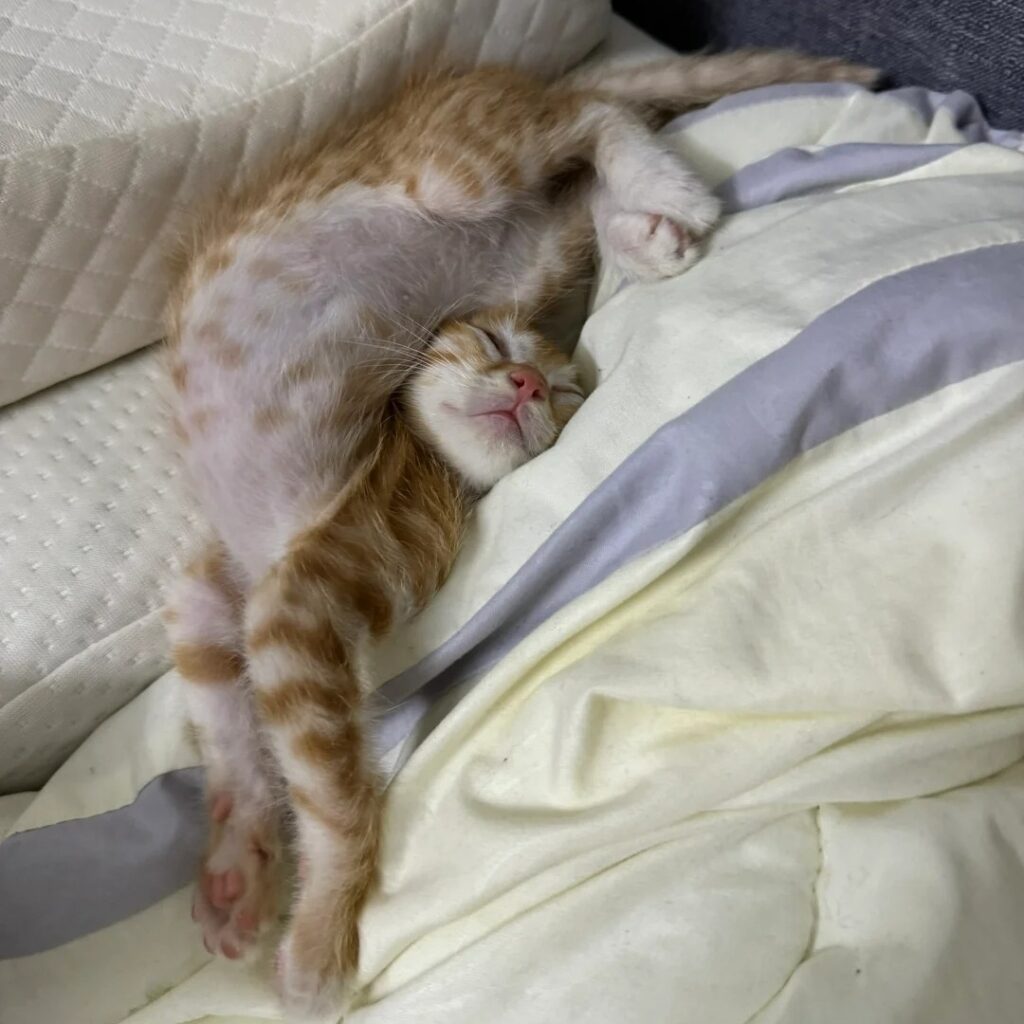
The Contortionist
- Description: Some cats sleep in seemingly awkward or contorted positions, twisting their bodies into strange shapes.
- Meaning: When your cat sleeps in these unusual positions, it’s a sign of extreme relaxation. They feel so secure in their environment that they can let their guard down completely. This behavior indicates a high level of trust and comfort in their surroundings.
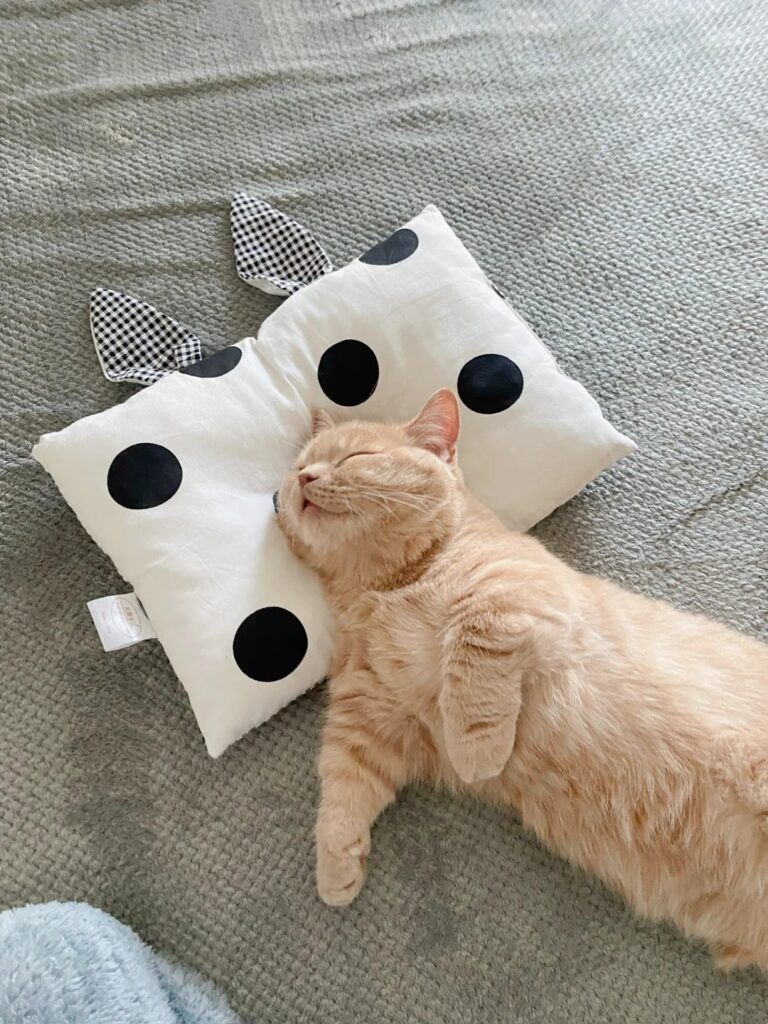
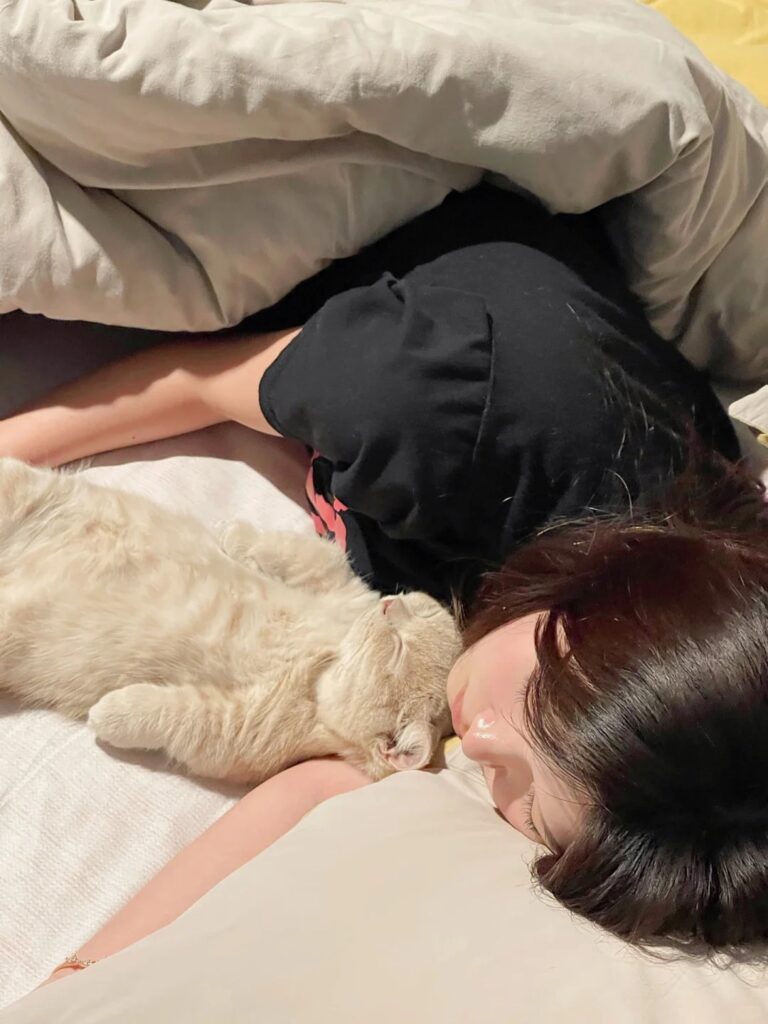
The Headrest
- Description: If your cat uses your body, or a part of it, as a pillow, they’re getting extra close.
- Meaning: This behavior is about more than just comfort; it’s a sign of deep trust and affection. Your cat wants to be near you, feeling your warmth and heartbeat. It’s a way for them to express their bond and closeness with you.
The Protector
- Description: Some cats prefer to sleep near your head or chest, positioning themselves where they can quickly alert you to any danger.
- Meaning: This sleeping position reflects a protective instinct. Your cat feels that by sleeping close to your head or chest, they can keep a watchful eye over you. It’s a way of showing their readiness to protect you and a sign of their affectionate bond with you.
Each of these positions provides valuable insight into your cat’s emotional state and their level of trust and comfort. Understanding these positions can help you better connect with your feline friend and appreciate the unique ways they show their affection and security.
What do different sleeping positions for cats mean?
Different sleeping positions can reveal a lot about your cat’s mood and comfort level. For example, a cat that curls up in a ball is likely feeling cozy and secure, conserving body heat and protecting their vital organs. A cat sleeping on their side or belly-up shows a high level of trust, as they expose their vulnerable areas. A loaf position indicates they are comfortable yet still alert, while a contorted position often means they are extremely relaxed and confident in their safety. Each position reflects their emotional state and how at ease they feel in their environment.
How do cats sleep when happy?
When cats are happy, their sleeping positions tend to be relaxed and carefree. A content cat might sleep in a belly-up position, exposing their stomach as a sign of complete trust and comfort. They might also stretch out fully or find a cozy spot that allows them to rest peacefully. Happy cats often exhibit behaviors like purring or kneading while they sleep, showing their contentment and relaxation.
Respecting Each Other’s Space
Ensuring Comfort for Both Cat and Owner with Cat Sleeping Arrangements
When your cat shares your bed, it’s important to find a balance that ensures both of you get a good night’s sleep. Here are some strategies to make sure you and your feline friend are both comfortable with cat sleeping arrangements:
- Create a Cozy Sleeping Environment for Cat Sleeping: Make your bed inviting for both you and your cat. Use soft, clean bedding that your cat enjoys. A pet-friendly mattress protector can help keep your bed clean and comfortable.
- Adjust the Temperature for Cat Sleeping Comfort: Keep the room at a comfortable temperature for both of you. Cats often prefer a warmer environment, so ensure there are cozy spots for them to snuggle in. You might consider using a heated cat blanket for their side of the bed.
- Provide Easy Access for Cat Sleeping: Ensure that your cat can easily get onto and off the bed. If your cat is older or has mobility issues, consider a small pet stair or ramp to help them reach the bed without jumping.
- Minimize Disruptions to Cat Sleeping: If your cat’s nighttime movements disturb your sleep, try adjusting their sleeping area slightly. Placing a cat bed or blanket at the edge of your bed can help them stay close while giving you both a bit of space.
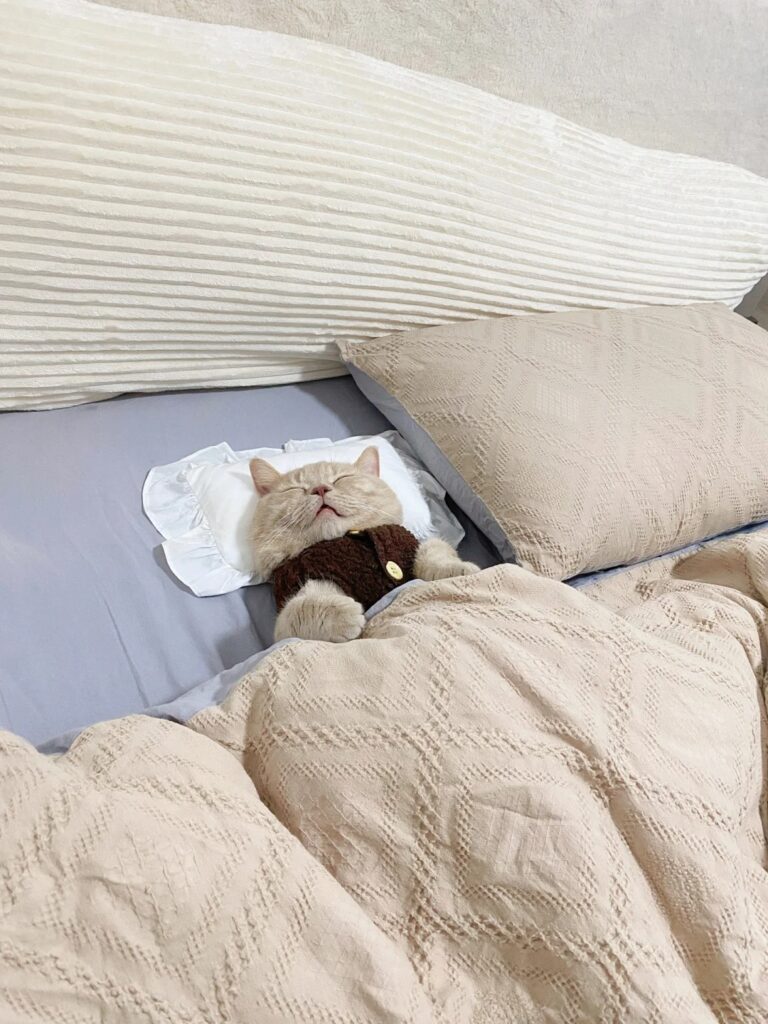
By focusing on these details, you can create a comfortable sleeping arrangement that suits both you and your cat’s needs.
Providing Alternatives for Cat Sleeping Spaces
Even if your cat loves to sleep with you, it’s a good idea to offer them alternative cat sleeping spots. This not only gives them options but also can reduce any potential disturbances during the night. Here are some tips:
- Cat Towers for Cat Sleeping: Invest in a cat tower or tree that offers various levels and cozy spots. Cats love to perch and observe their surroundings, so a well-placed cat tower can be a great addition to your home.
- Wall Perches for Cat Sleeping: Wall-mounted cat perches are perfect for giving your cat a high vantage point. They’re especially useful in small spaces where floor space is limited.
- Dedicated Cat Beds for Cat Sleeping: Place a few comfortable cat beds or blankets around your home. Choose spots that are quiet and away from high traffic areas, providing your cat with a peaceful retreat.
- Window Sills as Cat Sleeping Spots: Cats enjoy lounging in sunny spots. Install a cat window perch or cushion on a sunny window sill for them to relax and enjoy the view.
Offering these alternatives ensures your cat has plenty of options for relaxation while also giving you both the space you need for a restful night’s sleep. It’s all about creating a harmonious living environment where both you and your cat feel comfortable and content.
Conclusion
Sharing your bed with your cat is not just about co-sleeping; it’s a reflection of the deep bond you share. It provides both emotional comfort and practical companionship, enhancing your relationship with your furry friend. By understanding the reasons behind their sleeping habits and what their positions mean, you can better appreciate these nightly rituals. Embrace the closeness and cherish the trust your cat shows by choosing your bed as their favorite sleeping spot.
Feel free to share your experiences with your cat’s sleeping habits in the comments below! If you’re looking to improve your cat’s comfort even further, consider exploring products that offer both luxury and functionality for your feline friend. Whether it’s a plush cat bed or a stylish cat tower, enhancing their sleeping environment can make a significant difference in their overall well-being.